


Bài tập CMA Part 2 Section C (2C): Business Decision Analysis
Nội dung chính
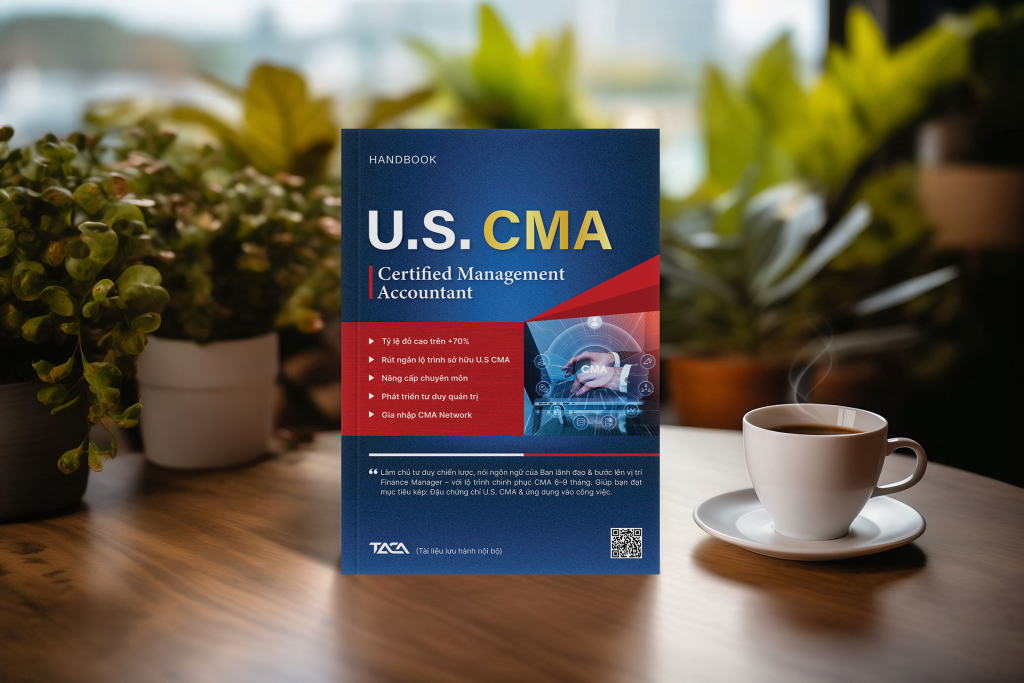
Bài tập CMA Part 2 Section C (2C): Business Decision Analysis (Phân tích quyết định kinh doanh) là phần bài tập rất quan trọng trong Part 2 của chứng chỉ CMA. Học phần này nghiên cứu các phương pháp lý thuyết và thực hành để hỗ trợ quá trình ra quyết định trong quản lý chiến lược và tài chính, đặc biệt quan trọng khi đối mặt với các tình huống phức tạp và không chắc chắn. Là học phần chiếm tỉ lệ điểm cao nhất, người học cần cẩn trọng và để tâm nhiều hơn tới môn học này. Dưới đây TACA tổng hợp cho bạn đọc các bài tập của môn học này, tìm hiểu ngay nhé!
Nội dung chính của Part 2 Section C
Section C chiếm tỷ trọng 25% trong tổng bài thi của CMA Part 2. Các nội dung chính của môn học như sau:
1. Cost/volume/profit analysis – CVP analysis
- Breakeven analysis
- Profit performance and alternative operating levels
- Analysis of multiple products
2. Marginal analysis
- Sunk costs, opportunity costs, and other related concepts
- Marginal costs and marginal revenue
- Special orders and pricing
- Make or buy
- Sell or process further
- Add or drop a segment
- Capacity considerations
3. Pricing
- Pricing methodologies
- Target costing
- Price elasticity of demand
- Product life-cycle considerations
- Market structure considerations
Xem thêm: CMA Part 2 Section C (2C): Business Decision Analysis (Phân tích quyết định kinh doanh)
Bài tập CMA Part 2 Section C trắc nghiệm
1. All of the following are assumptions of cost-volume-profit analysis except
- total fixed costs do not change with a change in volume.
- revenues change proportionately with volume.
- variable costs per unit change proportionately with volume.
- sales mix for multi-product situations do not vary with volume changes.
2. Robin Company wants to earn a 6% return on sales after taxes. The company’s effective income tax rate is 40%, and its contribution margin is 30%. If Robin has fixed costs of $240,000, the amount of sales required to earn the desired return is
- $375,000.
- $400,000.
- $1,000,000.
- $1,200,000.
3. Zipper Company invested $300,000 in a new machine to produce cones for the textile industry. Zipper’s variable costs are 30% of the selling price, and its fixed costs are $600,000. Zipper has an effective income tax rate of 40%. The amount of sales required to earn an 8% after-tax return on its investment would be
- $891,429.
- $914,286.
- $2,080,000.
- $2,133,333.
4. Breakeven quantity is defined as the volume of output at which revenues are equal to
- marginal costs.
- total costs.
- variable costs.
- fixed costs.
5. Projected sales for a tent manufacturer are $510,000. Each tent sells for $850 and requires $350 of variable costs to produce. The tent manufacturer’s total fixed costs are $145,000. The tent manufacturer’s margin of safety is
- 310 units.
- 710 units.
- 730 units.
- 1,310 units.
6. For the year just ended, Silverstone Company’s sales revenue was $450,000. Silverstone’s fixed costs were $120,000 and its variable costs amounted to $270,000. For the current year sales are forecasted at $500,000. If the fixed costs do not change, Silverstone’s profits this year will be
- $60,000.
- $80,000.
- $110,000.
- $200,000.
7. Breeze Company has a contribution margin of $4,000 and fixed costs of $1,000. If the total contribution margin increases by $1,000, operating profit would
- decrease by $1,000.
- increase by more than $1,000.
- increase by $1,000.
- remain unchanged.
8. Wilkinson Company sells its single product for $30 per unit. The contribution margin ratio is 45% and Wilkinson has fixed costs of $10,000 per month. If 3,000 units are sold in the current month, Wilkinson’s income would be
- $30,500.
- $49,500.
- $40,500.
- $90,000.
9. Ticker Company sells two products. Product A provides a contribution margin of $3 per unit, and Product B provides a contribution margin of $4 per unit. If Ticker’s sales mix shifts toward Product A, which one of the following statements is correct?
- The total number of units necessary to break even will decrease.
- The overall contribution margin ratio will increase.
- Operating income will decrease if the total number of units sold remains constant.
- The contribution margin ratios for Products A and B will change.
10. Johnson waits two hours in line to buy a ticket to an NCAA Final Four Tournament. The opportunity cost of buying the $200 ticket is
- Johnson’s best alternative use of the $200.
- Johnson’s best alternative use of the two hours it took to wait in line.
- the value of the $200 to the ticket agent.
- Johnson’s best alternative use of both the $200 and the two hours spent in line.
Bài tập CMA Part 2 Section C tự luận
Microeconomic theory suggests that the quantity demanded for any good is a function of relative prices, consumer real income, and consumer tastes. If tastes are held constant, then changes in the other two independent variables will induce a change in the dependent variable, i.e., the quantity demanded for a particular good. The concept that measures the responsiveness of quantity demanded to changes in the independent variable is called elasticity.
Questions
- Define the concept of price elasticity.
- Explain the significance of the price elasticity concept for a firm’s management.
Xem thêm: Bài tập CMA part 2 Section C – Business Decision Analysis có đáp án (PDF Free download)
Tham khảo khóa học CMA luyện thi Chứng chỉ Kế toán quản trị Hoa Kỳ (U.S CMA)

Trên đây là toàn bộ thông tin về bài tập môn học CMA Part 2 Section C: Business Decision Analysis. TACA hy vọng các thông tin chi tiết trên cùng bộ bài tập có đáp án kèm theo sẽ giúp bạn vượt qua kỳ thi CMA một cách thuận lợi nhất. Chúc bạn sớm đạt được mục tiêu sở hữu chứng chỉ CMA danh giá cho sự nghiệp của mình!
- Khóa học CFA toàn diện Level 1,2,3 – Chứng chỉ Phân tích đầu tư tài chính
- DipIFR – chứng chỉ lập báo cáo tài chính quốc tế (Level 2)
- Chuyển đổi báo cáo tài chính từ VAS – IFRS
- Khoá học IFRS toàn diện (CertIRF, DipIFR, VAS to IFRS)
Taca International Certificate,




ĐĂNG KÝ TƯ VẤN KHÓA HỌC
Vui lòng để lại thông tin liên lạc để chúng tôi có thể tư vấn rõ hơn về các khóa học
Trụ sở chính
Tầng 2 Toà A Chelsea Residences, Số 48 Trần Kim Xuyến, Q. Cầu Giấy, TP. Hà Nội
Hotline: 0985 611 911
Chi nhánh
Vincom Đồng Khởi, Quận 1, TP. HCM
Hotline: 0947 511 911